Learn how to maintain consistent training quality across multiple locations using standardised course materials, trainer guidelines, common assessments, quality checks, and learner feedback.

Training Management Guide
Delivering consistent training experiences across every location requires the right standards, people, resources, and processes.
Delivering training across multiple locations creates a practical challenge: every learner should receive a consistent standard of training, regardless of the branch, trainer, or delivery method.
Differences in teaching methods, course materials, assessment practices, and available resources can lead to uneven learning experiences. One location may follow the planned curriculum closely, while another may skip activities, use outdated materials, or assess learners differently.
Maintaining consistent training quality requires shared standards, clear responsibilities, regular monitoring, and a process for correcting gaps. The goal is not to make every session identical, but to ensure that all locations meet the same learning objectives and quality expectations.
Start by defining the minimum standards every location must follow. These standards should cover what learners need to learn, how training should be delivered, and how learning outcomes will be assessed.
Document these standards in a central training guideline. Make the document accessible to every branch manager, trainer, and training coordinator.
Allow locations to adapt examples or activities to local needs, provided those changes do not compromise the required learning outcomes.
Different versions of training materials can lead to inconsistent explanations and outdated information. Use a central repository for approved course content.
Assign an owner to each course who is responsible for reviewing and approving updates. Use version numbers or revision dates so trainers can identify the current material.
When a course changes, notify all locations and specify when the updated version must be used. Remove or clearly archive outdated files to prevent accidental use.
Trainer capability directly affects training quality. Even when trainers have strong subject knowledge, differences in preparation and teaching methods can affect learner outcomes.
Before delivering a course, trainers should review the lesson plan, materials, activities, and assessment requirements.
For new or revised courses, conduct a briefing or demonstration session so trainers understand the expected delivery approach. Share effective teaching practices across locations and provide additional support where needed.
Each location should follow a consistent process before, during, and after training.
| Stage | Required Practice |
|---|---|
| Before training | Confirm materials, trainer readiness, schedule, and resources |
| During training | Cover required topics, conduct planned activities, and address learner questions |
| After training | Complete assessments, record attendance, collect feedback, and document issues |
This process gives trainers a clear structure while allowing them to adjust their explanations to suit the learners.
Use session checklists to confirm that required topics and activities have been covered. If a session needs to deviate from the plan, record the reason and determine whether any follow-up learning is required.
Learners attending the same course should be evaluated against comparable standards. If one location uses a difficult assessment while another uses a much easier one, results may not accurately reflect differences in learning.
Where trainers use different questions, ensure that the assessments measure comparable skills and knowledge.
For practical courses, use a common evaluation checklist or rubric. This helps assessors judge performance against the same criteria instead of relying entirely on personal interpretation.
Do not rely only on course completion reports to judge training quality. A session may be completed on time without meeting the required learning objectives.
Use a consistent quality monitoring process across branches.
Use the same reporting definitions across locations. For example, define what counts as course completion and how assessment pass rates are calculated.
Compare results to identify areas that need attention, but investigate the reasons behind differences before drawing conclusions. Variations may reflect learner backgrounds, course difficulty, trainer preparation, or local delivery conditions.
Quality audits help confirm whether locations follow the required training standards.
Depending on the course and operational needs, audits may include:
Use a common audit checklist so every location is assessed against the same requirements.
Document each issue, assign responsibility for addressing it, and set a follow-up date. Audits should identify gaps and support improvement rather than simply produce a compliance score.
Learner feedback can reveal differences that internal reports may not show. Participants may identify unclear explanations, missing materials, insufficient practical exercises, or inconsistent support across locations.
Collect feedback using a consistent set of questions. Ask about the relevance of the content, clarity of instruction, usefulness of activities, learning resources, and overall preparedness of the trainer.
Review feedback by location and course. When one branch receives repeated comments about the same issue, investigate whether the cause is related to the trainer, materials, facilities, or delivery process.
Communicate the actions taken where appropriate. Feedback is most useful when it leads to a specific improvement rather than remaining in a report.
Training quality can vary when locations have different access to equipment, software, facilities, or learning resources.
Before a course begins, confirm that each location has what it needs to deliver the planned training.
If a location cannot provide a required resource, arrange an alternative that still meets the learning objectives. Record recurring shortages and address them through resource planning.
Managing training standards across several locations becomes more difficult when course materials, attendance records, assessment results, and feedback are stored separately.
Training management software can help centralise course information and provide a more consistent way to coordinate training activities. Depending on the platform, useful capabilities may include:
Before selecting a platform, verify that it supports your quality monitoring and reporting requirements. Software can improve visibility and coordination, but it cannot replace clear standards, capable trainers, or regular quality reviews.
POWER YOUR TRAINING BUSINESS
Maintaining consistent training quality requires coordinated course delivery, trainer management, learner records, and clear oversight of training activities. Skilldeck provides LMS and training management capabilities that organisations can evaluate to support these workflows.
Explore Skilldeck Training Management →Maintaining consistent training quality across locations depends on shared standards, approved course materials, prepared trainers, aligned assessments, and regular quality monitoring. Every location should work toward the same learning objectives while retaining enough flexibility to address local learner needs.
Review assessment results, feedback, and audit findings regularly. Address identified gaps, assign responsibility for improvements, and verify that corrective actions are completed. A central training management system can support this process by making course information and training records easier to coordinate across locations.
Skilldeck replaces 10+ software tools with one integrated, automated platform.
Skilldeck is a fully automated, budget-friendly plug-and-play solution designed for training institutes. It offers every essential feature needed to run and scale a training business, helping organizations accelerate growth with minimal effort and cost.
at a Fraction of the Cost
If you're seeking powerful tech and marketing automation that delivers results, Skilldeck is your go-to solution. Specifically built for training institutes, it offers everything you need in one place — from lead generation to operations — driving growth efficiently and affordably.
...and much more, all designed to scale your business effortlessly.
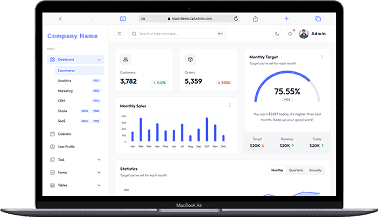
A perfect fit for someone who is getting started with a minimal budget, and looking for the premium features, UI/UX and scalability.
Training Institutes are finding Skilldeck.net quite useful, and are expediting their process & cutting down on the resources across all departments significantly. By reducing their expenses across all departments by at least 40%.
Skilldeck platform is developed by Manjunath Chowdary and team, Ex-Marketing head of Knowledgehut Upgrad, founder of KandraDigital Marketing solutions, and has built the tech and marketing strategies for various training companies.

Manjunath Chowdary
Founder & CEO, SkillDeck
No Blogs available for All