Learn how training management software pricing works, including common pricing models, cost factors, hidden expenses, and key features. Discover how to choose a cost-effective platform that delivers scalability, security, and long-term value for your organization.

As organizations continue investing in employee development, compliance training, onboarding programs, and workforce upskilling, selecting the right training management software has become increasingly important. However, one of the biggest challenges businesses face is understanding software pricing.
Training management software pricing can vary significantly depending on features, deployment methods, user volumes, customization requirements, and support levels. Many organizations focus solely on subscription costs while overlooking implementation fees, maintenance expenses, infrastructure requirements, and long-term scalability costs.
This pricing guide explains how training management software is priced, the common pricing models available, the factors influencing costs, the advantages and disadvantages of each approach, and how businesses can identify the best value for their investment.
Training Management Software (TMS) helps organizations manage, deliver, track, and optimize employee learning programs.
The right software can significantly improve training efficiency while reducing administrative workload.
Choosing software based solely on the lowest price can create long-term challenges.
A lower-priced solution may ultimately cost more if it lacks essential functionality or requires extensive customization.
This model charges organizations based on the number of active users.
Companies pay a fixed amount for each learner or administrator using the platform.
Many software providers offer monthly or annual subscription plans.
Organizations pay a recurring fee for access to the platform.
Vendors often provide multiple plans with varying features.
Organizations select pricing tiers based on functionality and user requirements.
Enterprise solutions typically provide customized pricing.
Some vendors offer perpetual licensing models.
Organizations pay a large upfront fee and own the software license.
Most vendors base pricing on learner or administrator counts.
Larger organizations generally face higher subscription costs.
Advanced functionality often increases costs.
Custom workflows, branding, and integrations can significantly impact pricing.
Hosted by the vendor.
Hosted internally.
Premium support packages often increase pricing.
Many businesses focus on subscription pricing but underestimate additional expenses.
Additional functionality often requires custom development work.
Organizations handling sensitive employee data may need additional security measures and compliance controls.
When comparing vendors, organizations should focus on value rather than price alone.
Ensure the platform can support future growth without dramatic cost increases.
Evaluate data protection capabilities and compliance support.
User-friendly systems reduce training and support costs.
Automation reduces administrative workload and operational expenses.
Many organizations discover that lower-cost solutions often come with limitations.
As learner numbers increase, monthly expenses can grow significantly.
Hidden fees can make budgeting difficult.
Organizations may require dedicated IT resources.
Some platforms struggle to support large-scale learning initiatives.
Inadequate security measures can expose sensitive employee data.
Premium features frequently require expensive plan upgrades.
When evaluating training management software pricing, organizations increasingly seek solutions that provide maximum value without introducing technical complexity or escalating costs.
Skilldeck is designed to address these concerns while delivering enterprise-grade functionality.
Skilldeck provides strong security measures to help organizations protect learner and employee data while supporting compliance requirements.
This ensures learning programs remain effective as organizations scale.
Unlike many traditional solutions, Skilldeck handles the technical infrastructure and maintenance responsibilities.
Businesses can launch and manage training initiatives quickly without lengthy implementation projects or extensive technical expertise.
This significantly improves operational efficiency.
Whether serving a small workforce or a large enterprise, Skilldeck supports organizational growth without introducing excessive complexity.
This helps maximize return on investment while minimizing long-term expenses.
Training management software pricing can vary widely depending on user counts, deployment models, features, integrations, support levels, and customization requirements. While low-cost platforms may appear attractive initially, they often introduce hidden expenses through implementation fees, maintenance costs, scalability limitations, premium upgrades, and technical overhead.
These challenges can increase total ownership costs and reduce long-term value.
Organizations looking for a secure, scalable, and performance-focused solution should carefully evaluate the overall business impact of their software investment rather than focusing solely on subscription fees.
Skilldeck stands out as a modern training management platform that combines enterprise-grade security, streamlined administration, advanced automation, optimized performance, and scalable infrastructure. By handling the technical complexities behind the scenes, Skilldeck allows organizations to focus on workforce development while spending minimally on technology management and operational support.
Skilldeck replaces 10+ software tools with one integrated, automated platform.
Skilldeck is a fully automated, budget-friendly plug-and-play solution designed for training institutes. It offers every essential feature needed to run and scale a training business, helping organizations accelerate growth with minimal effort and cost.
at a Fraction of the Cost
If you're seeking powerful tech and marketing automation that delivers results, Skilldeck is your go-to solution. Specifically built for training institutes, it offers everything you need in one place — from lead generation to operations — driving growth efficiently and affordably.
...and much more, all designed to scale your business effortlessly.
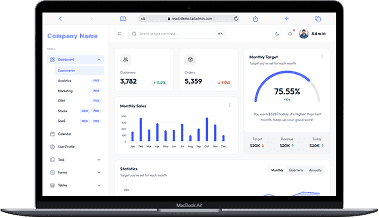
A perfect fit for someone who is getting started with a minimal budget, and looking for the premium features, UI/UX and scalability.
Training Institutes are finding Skilldeck.net quite useful, and are expediting their process & cutting down on the resources across all departments significantly. By reducing their expenses across all departments by at least 40%.
Skilldeck platform is developed by Manjunath Chowdary and team, Ex-Marketing head of Knowledgehut Upgrad, founder of KandraDigital Marketing solutions, and has built the tech and marketing strategies for various training companies.

Manjunath Chowdary
Founder & CEO, SkillDeck
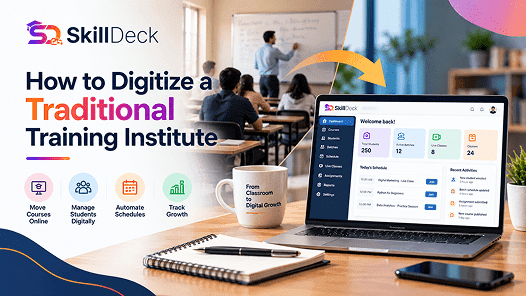
Learn how to digitize a traditional training institute using online learning, student management, automation, and digital marketing to simplify operations and support business growth.
Alex
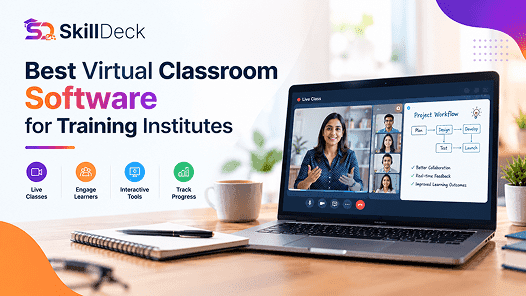
Discover how virtual classroom software helps training institutes manage live classes, trainers, learners, attendance, communication, and online learning from one platform.

Natasha
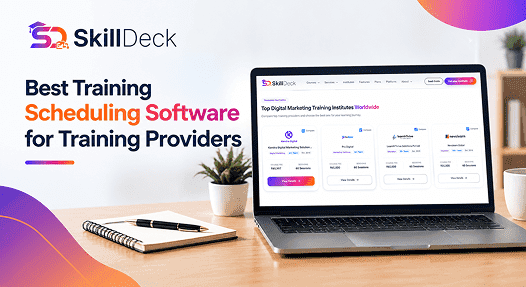
Discover how training scheduling software helps providers manage courses, batches, trainers, calendars, sessions, and learner schedules while reducing administrative work.
Alex
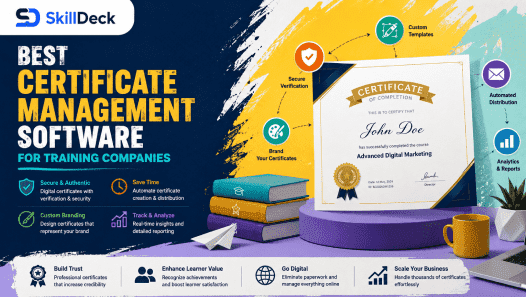
Discover how certificate management software helps training companies automate certificate creation, verification, tracking, and delivery while reducing administrative work and improving the learner experience.
Natasha
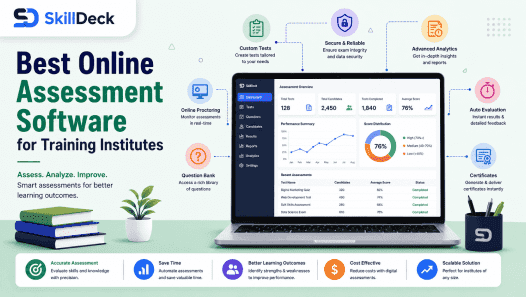
Explore how online assessment software helps training institutes create tests, evaluate learners, track performance, automate results, and improve training outcomes.
Alex
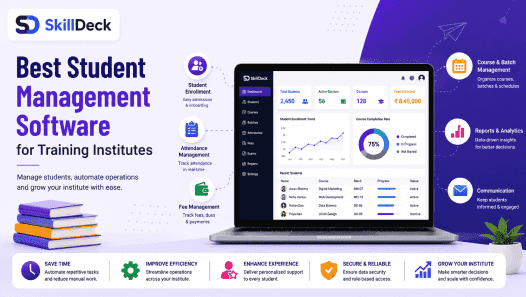
Discover how student management software can simplify enrollment, batch management, attendance, communication, assessments, and reporting while helping training institutes improve efficiency and scale.
Natasha